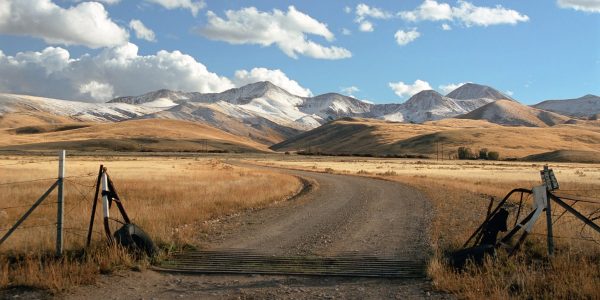
Minnesota farmers work in a state where land can change quickly from one field to the next. Heavy soils and short growing windows shape how a farm performs, especially when spring weather doesn’t seem to cooperate. Something that works in one county may need a different approach just a few miles away.
That’s why land management has to be part of everyday farming decisions. It affects crop performance while also shaping how well land holds up through wet springs or dry late summers. If you’re unsure where to start, here are some land management practices Minnesota farmers should try out.
Start With the Soil You Have
Good land management starts with knowing what each field can handle. Soil tests give you more than fertility numbers; they help you understand pH levels and organic matter. When you review those results over time, you can spot fields that need a different rotation or a more targeted nutrient plan.
Minnesota’s mix of glacial soils creates real variety across farms. Some fields hold water long after a storm, while others dry out fast and lose structure under pressure. When you match management to those field traits, you make fewer assumptions and protect more of the land’s earning potential.
Keep More Soil Covered Between Seasons
Bare soil takes a beating in Minnesota. Spring rains can move loose topsoil before planting, while wind can dry exposed ground during open stretches. Cover crops help reduce that pressure by keeping roots active and holding more soil in place between cash crops.
Farmers don’t need to treat cover crops as an all-or-nothing decision. Many start with one field or one timing window that fits after harvest. That approach keeps the practice manageable and gives you room to learn how the field responds before expanding acres.
Crop residue can also work like a protective layer. Leaving more residue on the surface helps soften the impact of rainfall and can slow erosion on sloped ground. Over time, that added protection supports better soil structure, especially when paired with less aggressive tillage.
Make Tillage Fit the Field

Tillage still plays a role on many Minnesota farms, but it needs a clear purpose. If it doesn’t, you don’t necessarily need to do it. That’s because unnecessary disturbances will help soil hold its structure better, limiting the loss of residue that shields the surface.
If you do need to do it, some acres may respond well to strip-till or reduced-till systems, while heavier ground may need a slower shift. Farmers often get better results when they adjust one piece of the system before changing everything at once. This gives equipment and planting timing a chance to work together.
On top of that, compaction deserves special attention because it can limit roots before you see stress above ground. Wet fieldwork creates many of those problems, especially on soils that already drain slowly. Watching traffic patterns and waiting for better field conditions can protect yield potential without adding a new input cost.
Manage Water Before It Becomes a Problem
Water management sits near the center of land management practices for Minnesota farmers. Too much water can delay planting, drown out low spots, and increase nutrient movement. Too little water later in the season can expose weak soil structure and reduce crop resilience.
To help with this balance, tile drainage and grassed waterways need regular review. A blocked outlet or damaged waterway can turn a manageable issue into lost acres during a wet year. When farmers inspect these areas before the season gets busy, they can fix small problems before they affect planting or harvest.
Surface water also matters near ditches and streams. Vegetated buffers help slow runoff and filter material before it leaves the field. These areas may not look like the most productive part of a farm, but they protect the acres around them and help keep the operation in better standing.
Match Nutrients to Real Field Conditions

Nutrient management works best when it reflects actual field needs. Applying fertilizer by habit can waste money and increase the chance that nutrients move away from the crop. Soil tests and yield history help farmers make decisions that fit each field more closely.
Nitrogen timing often matters as much as rate. Minnesota weather can shift quickly, so farmers need to consider how rainfall and soil temperature affect availability. Splitting applications or adjusting timing can help keep more nitrogen where the crops can use it.
Manure management deserves the same careful planning. It brings value to the field, but it also requires attention to timing and setbacks. When farmers treat manure as part of the nutrient plan instead of a separate chore, they gain more value from it and reduce avoidable risk.
Think About Long-Term Land Value
Strong land management supports more than the next crop. It also shapes how a farm looks to future buyers or family members. Records and maintained waterways can show that the land has received practical attention over time.
This matters to owners who may be evaluating Minnesota property for sale while still farming or leasing acres. Buyers often look beyond the headline acreage and ask how the land drains or how fields have been maintained. A farmer who can answer those questions clearly has a stronger story to tell.
Land value also depends on access and usability. Field entrances and interior lanes may seem small compared with yield, but they affect how smoothly acres function. Keeping those details in good shape helps the property work better for the current operator and anyone who may use it later.
Keep Records That Guide Better Decisions
Outside of being helpful in a potential future sale, solid record-keeping can turn experience into a usable management tool. Notes on soil tests and drainage repairs help farmers compare one season to the next. Without those details, it’s easy to repeat a decision because it feels familiar, even when the field has changed.
Records also help when more than one person has a stake in the land. Some farms involve family members who live off-site or inherited acres with limited day-to-day involvement. Clear documentation gives everyone a better understanding of what the land needs and why certain choices make sense.
Farmers don’t need complicated systems to make records useful. A simple file with field maps and lease details can support better conversations. When the time comes to adjust a management plan or discuss future ownership, those records give the landowner a clearer place to start.